A modern adventure through Roosevelt's Adirondacks
In the predawn hours of September 14, 1901, a rain-soaked buckboard wagon rattled out of the Adirondack wilderness and into American history. Inside was Theodore Roosevelt, still muddy from a mountain descent, racing toward a train station and a presidency he never expected to inherit so soon. This year marks 125 years since that ride, and the terrain that shaped it is still here: the same peaks, the same river headwaters, the same long miles between Tahawus and North Creek. This is an invitation to go find them, on foot and by bike.
The night that made a president
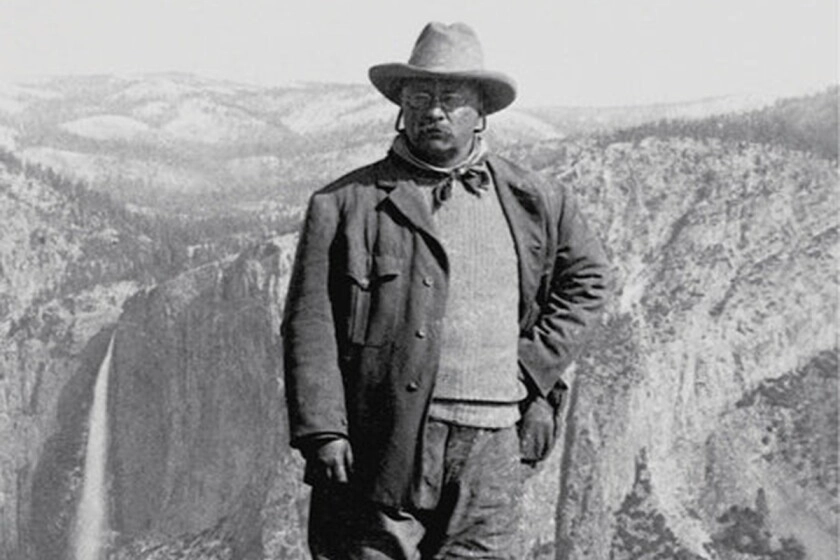
The story starts a week earlier and four hundred miles away. On September 6, 1901, President William McKinley was shot and seriously injured while greeting the public at the Pan-American Exposition in Buffalo. Roosevelt, then vice president, rushed to Buffalo, but as McKinley's condition seemed to stabilize, aides encouraged him to resume his vacation. He headed for the Tahawus Club near Newcomb, a remote hunting retreat deep in the High Peaks, and he set out to climb Mount Marcy, the highest point in New York State.
He reached the summit in rough weather and was on his way back down, resting at Lake Tear of the Clouds, the tiny, high-elevation pond that feeds the Hudson River, when a Tahawus Club guide named Harrison Hall arrived on foot with a telegram: McKinley had taken a sudden turn for the worse. Roosevelt hiked back down to the clubhouse to wait for further word. It came just before midnight. He climbed into a one-seat wagon and began a relay of drivers and horses across nearly forty miles of rough, dark road, first to the Tahawus post office, then on to Aiden Lair Lodge in Minerva, and finally into North Creek. He arrived around sunrise on September 14 to learn that McKinley had died hours earlier, at 2:15 that morning. Roosevelt boarded a train for Buffalo, where he took the oath of office as the 26th President of the United States.
Why retrace it now
The roads have long since been paved, and Roosevelt's wagon relay isn't something anyone needs to reenact mile for mile to feel its weight. What this route still offers is scale: the same remoteness, the same river source, the same stretch of Adirondack towns strung between wilderness and railroad. Pairing a hike to Lake Tear of the Clouds with a bike ride toward North Creek turns that history into something you experience in your own legs and lungs. For endurance athletes, the full route offers a unique challenge with a fascinating backstory. But you don't have to tackle it all at once: choose the pieces that appeal to you and string them together into your own Adirondack adventure.

The hike: Upper Works to Lake Tear of the Clouds
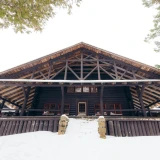
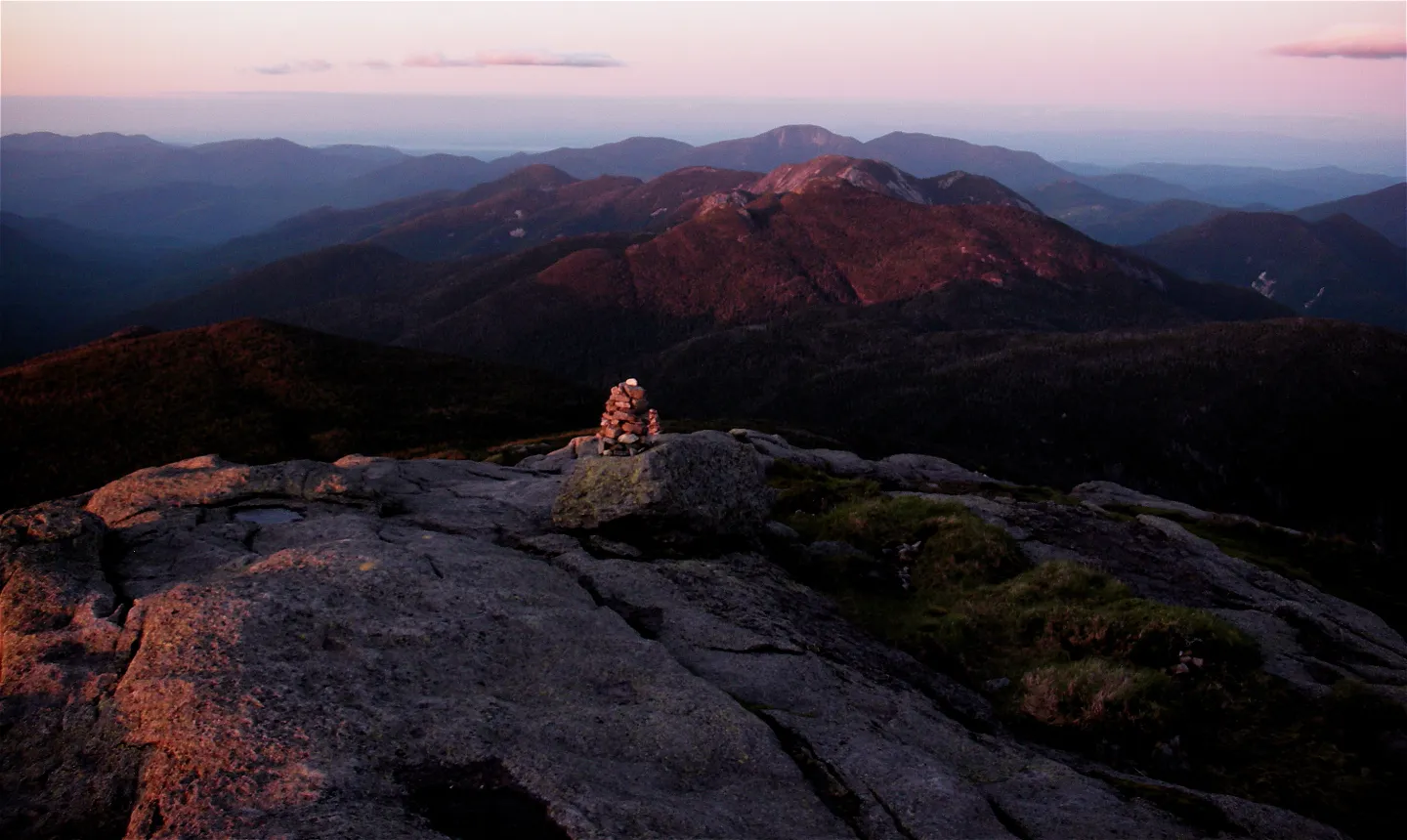
The journey begins at the Upper Works Trailhead outside Newcomb, in view of the MacNaughton Cottage where Roosevelt's ride actually began. From the trailhead, the Calamity Brook route runs along its namesake stream past Flowed Lands and Lake Colden before climbing to Lake Tear of the Clouds, about 8.6 miles and 2,500 feet of gain from the parking lot. Standing at the pond's edge, at 4,293 feet the highest source of the Hudson River, is standing exactly where Roosevelt got the news that changed the course of his life. Mount Marcy's summit is visible from here, deceptively close, with roughly a thousand feet of climbing still ahead and 1.3 miles of trail. Hikers chasing the full experience can continue to the top, completing a 10.3-mile, one-way push before retracing the route back to Upper Works, a serious full-day undertaking best started early and respected for what it is: one of the more demanding day hikes in the High Peaks.
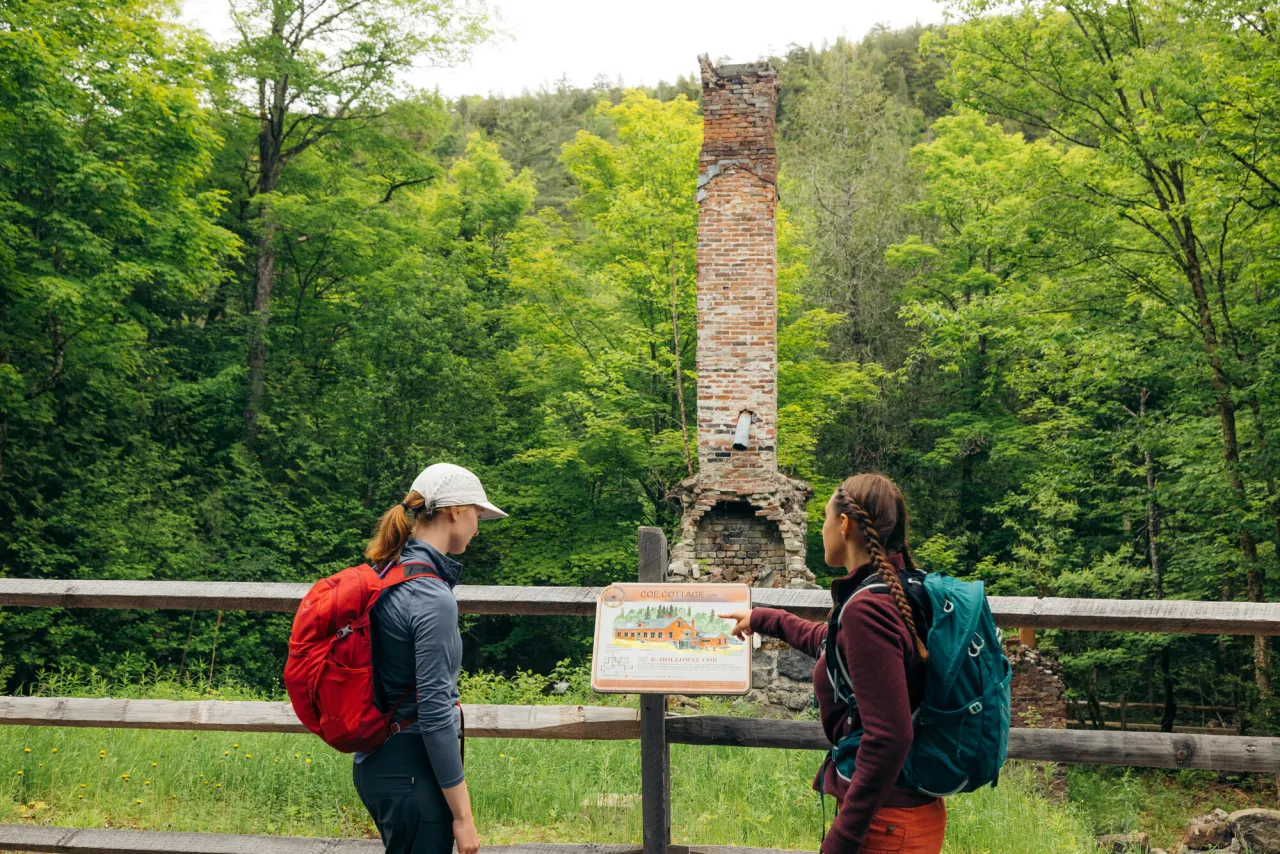
Not everyone needs to summit to make this worthwhile. The interpretive trail through the Adirondac village and out to the old blast furnace is a short, flat walk that still delivers the history and the setting. Flowed Lands and Lake Colden, a few miles in, offer wide-open mountain views and a natural turnaround point for hikers who want a taste of the wilderness without the full commitment to Marcy. Either way, the mountains that watched Roosevelt receive his telegram are the same ones overhead now.
The ride: following the wagon road toward North Creek
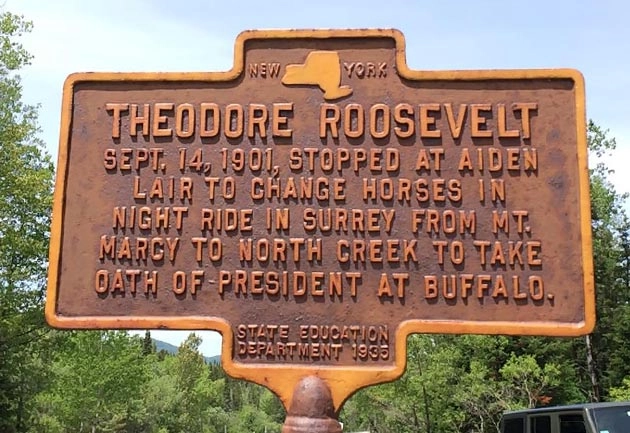
Back at the trailhead, the adventure shifts from boots to wheels. Roosevelt's stagecoach relay carried him from the Tahawus Club through the Tahawus post office, on to Aiden Lair Lodge in Minerva, and finally into North Creek, a journey of roughly forty miles through what was, in 1901, some of the roughest road in the state. Today those same corridors, largely along Route 28N and the connecting roads through Minerva, make for a scenic and historically loaded cycling route for anyone looking to extend the day's effort and is now known as the Roosevelt-Marcy Trail Scenic Byway. A roadside marker between Newcomb and Minerva, placed in 1908 near the spot where Roosevelt is believed to have become president somewhere along the dark road, is worth a stop. So is the site of Aiden Lair Lodge itself, where Roosevelt changed wagons for the final, fastest leg of the trip.
The ride doesn't need to be a single unbroken effort to earn its connection to the story. Riders can choose their own distance, turn a short out-and-back from Newcomb into an easy afternoon, or commit to the fuller stretch into North Creek for a true endurance day layered on top of the morning's hike. And if cycling isn't your thing, you can drive the route instead, taking in the same landscape and following the story at your own pace.
Newcomb, Minerva, and North Creek
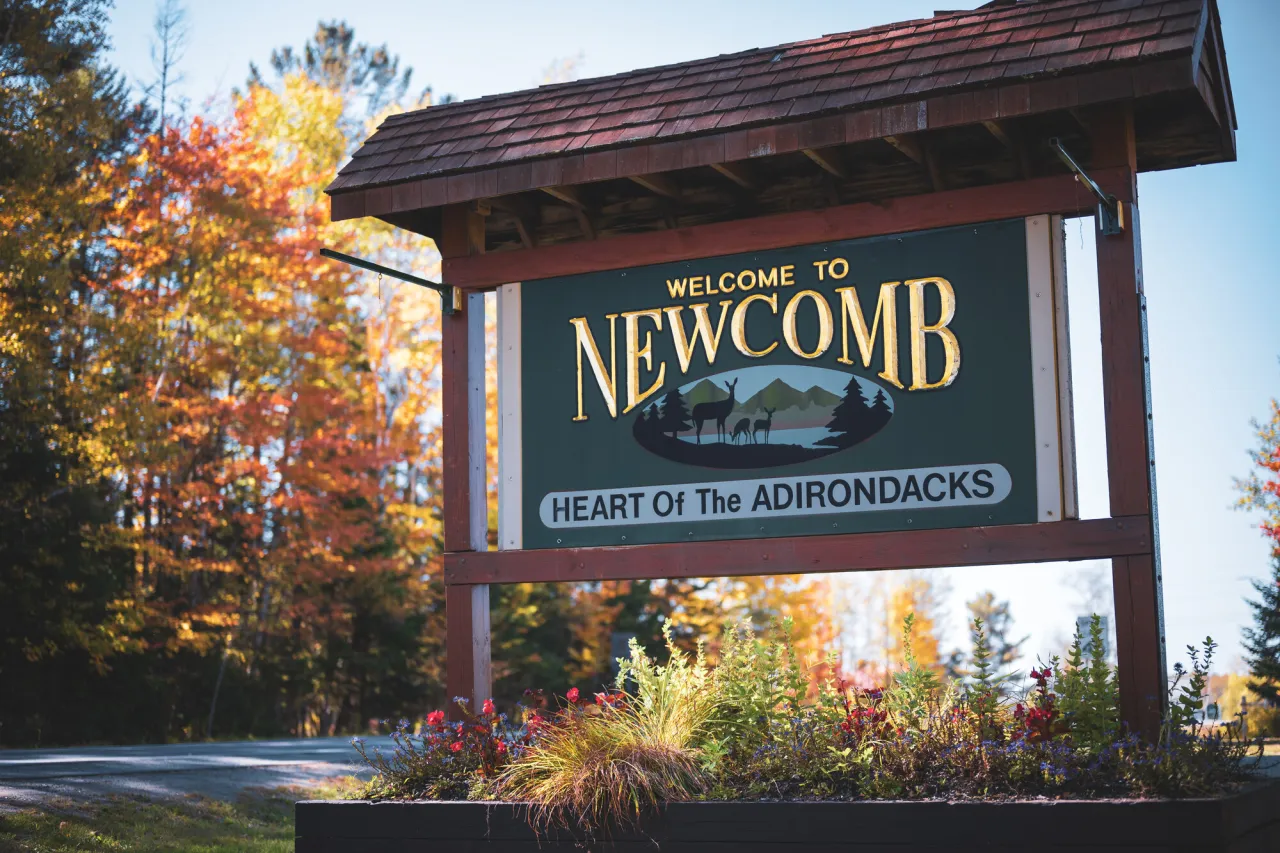
Three small towns anchor this route, and each rewards a slower look. Newcomb sits closest to the trailhead and carries the story's opening chapter, home to the Tahawus Club lands, Upper Works, and the region's deepest concentration of Roosevelt history. Minerva, roughly at the route's midpoint, holds the Aiden Lair site and long stretches of quiet, tree-lined road that still feel remote in exactly the way Roosevelt's account describes. North Creek closes the loop as the place where the story turned, home to the historic train depot where Roosevelt learned he was president and boarded the train that carried him toward Buffalo. The depot now houses a museum dedicated to that history, a fitting place to end the day and let the story sink in before heading out for dinner or a well-earned night's rest in one of the small inns and lodges scattered along the route.


Timing it to the anniversary
This year adds an extra layer of meaning. September 2026 marks 125 years since Roosevelt's ride, and the Town of Newcomb is marking the occasion with its annual TR Weekend, running September 11 through 13, featuring living history reenactments, wagon rides, guided tours, and family-friendly programming built around the anniversary.
Late summer and early fall are also simply the right season for this route on their own terms. Roosevelt's journey unfolded in the same window, as the Adirondacks shift from summer green toward the first edges of color, and the days are still long enough to make a serious hike or ride feel manageable without racing the dark, at least until you're the one trying to beat a train.

The legacy on the trail
What makes this route worth retracing isn't the chance to replicate history exactly. It's the chance to move through the same landscape that shaped one of the most consequential nights in American political history and feel, even briefly, the scale of what Roosevelt was up against: real mountains, real distance, real weather. Whether the day ends at Lake Tear of the Clouds, on the summit of Marcy, or after a long ride into North Creek, the reward is the same. A closer understanding of a story that's been told for 125 years, earned the hard way, through the same wild country that made it happen in the first place.